Invasive Species
Often referred to as Invasive Non-Native Species (INNS) these are plants and animals that can be problematic in the wild. Often they have been introduced by humans maybe accidentally, for example on the hull of ships, or deliberately, possibly planted in gardens from where they spread.
They can spread aggressively as they lack natural predators and disease that they would encounter in their native environment. These species can cause harm by out competing with native species for food, light or space. They can also impact agriculture and fisheries. We know that there are a number of them in our local area and we need to know where they are to monitor their impact and spread.
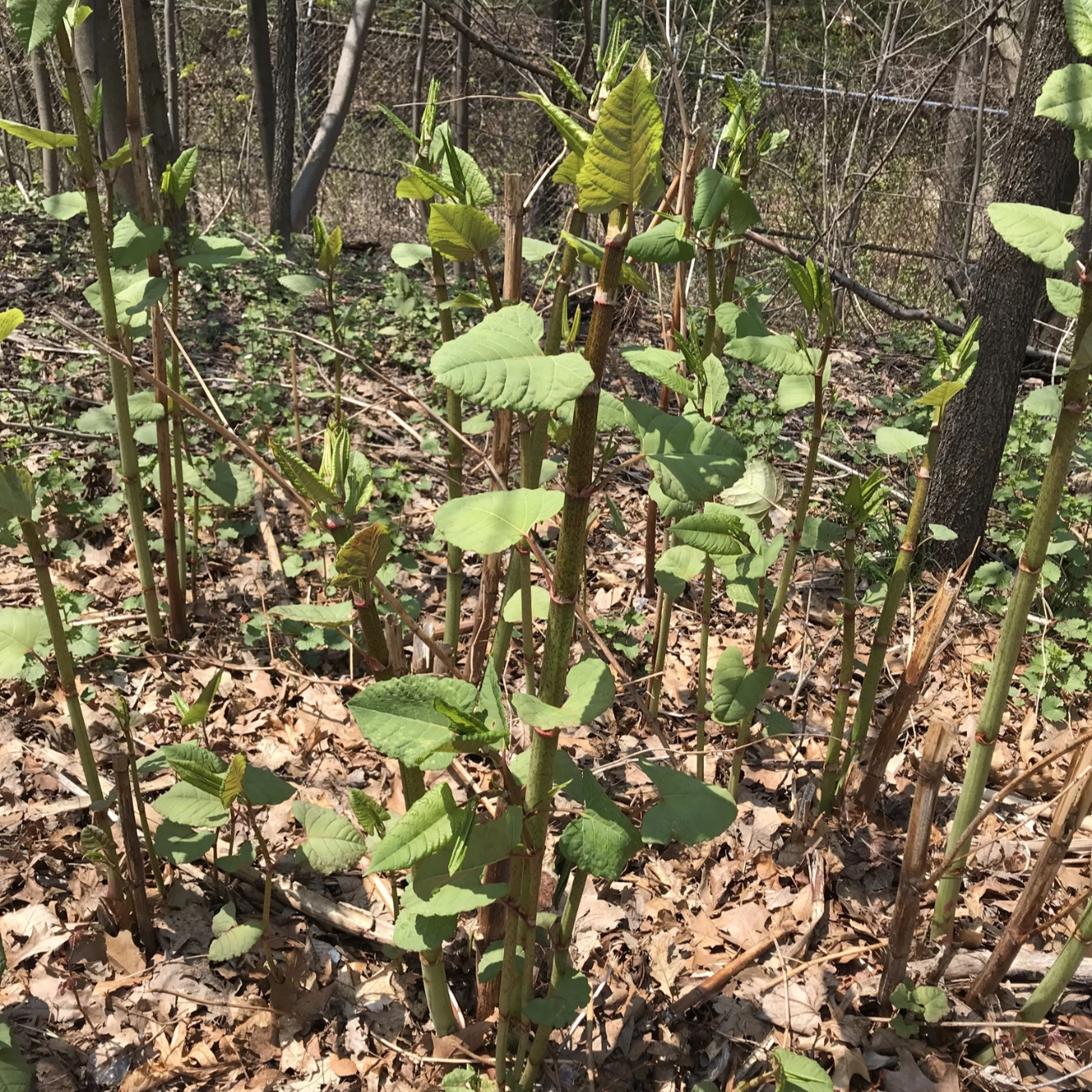
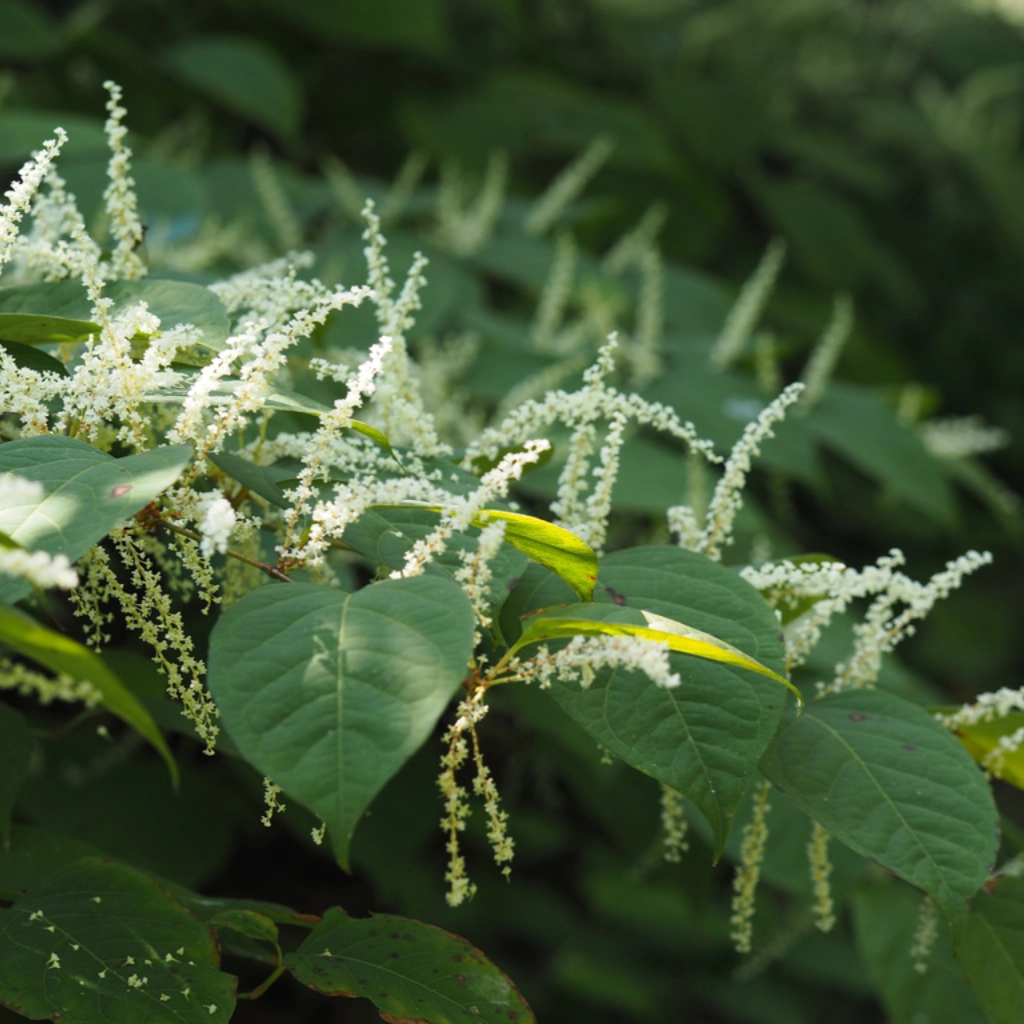
Japanese Knotweed
Brought to the UK from East Asia in the 19th Century as an ornamental plant, it spreads rapidly especially along watercourses. The roots can penetrate concrete and its presence devalues properties. It is now illegal to plant it or cause it to grow in the wild and it must be disposed of carefully as it is classed as Controlled Waste.

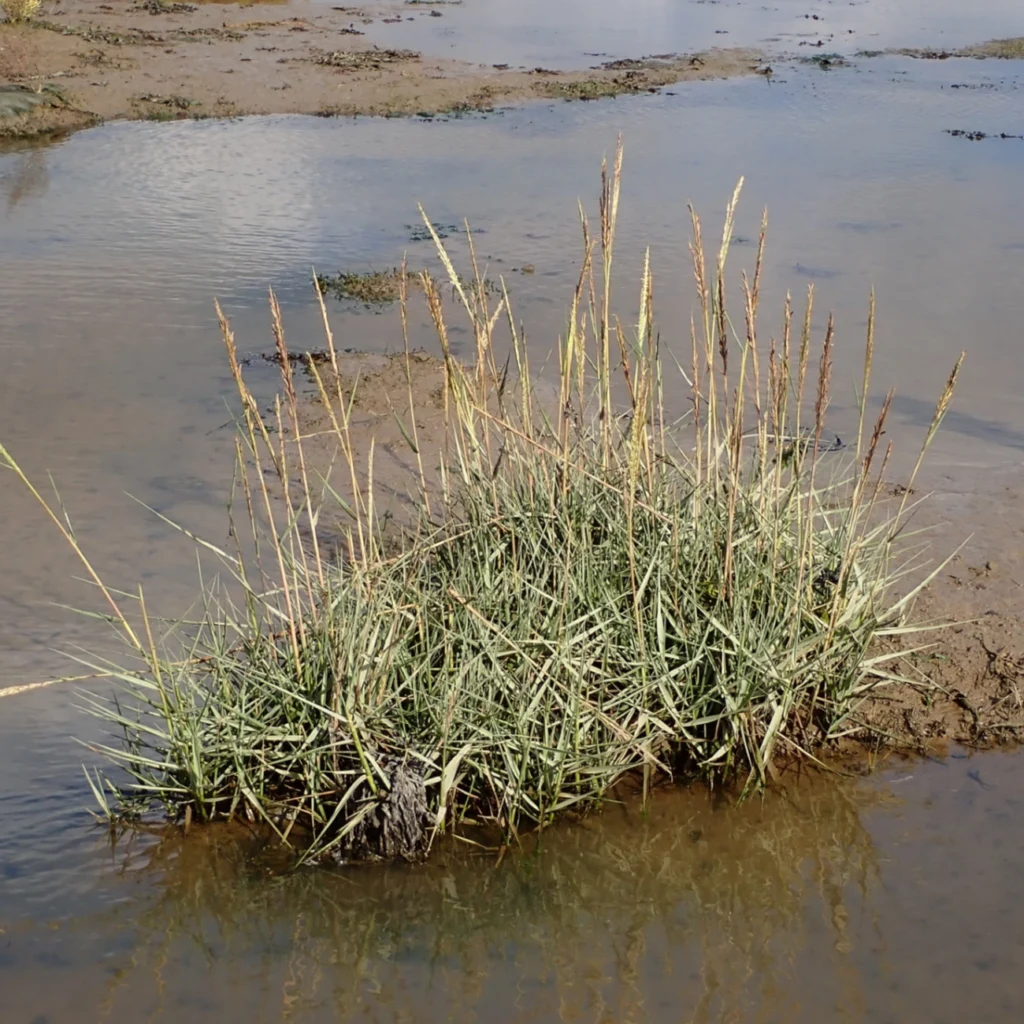
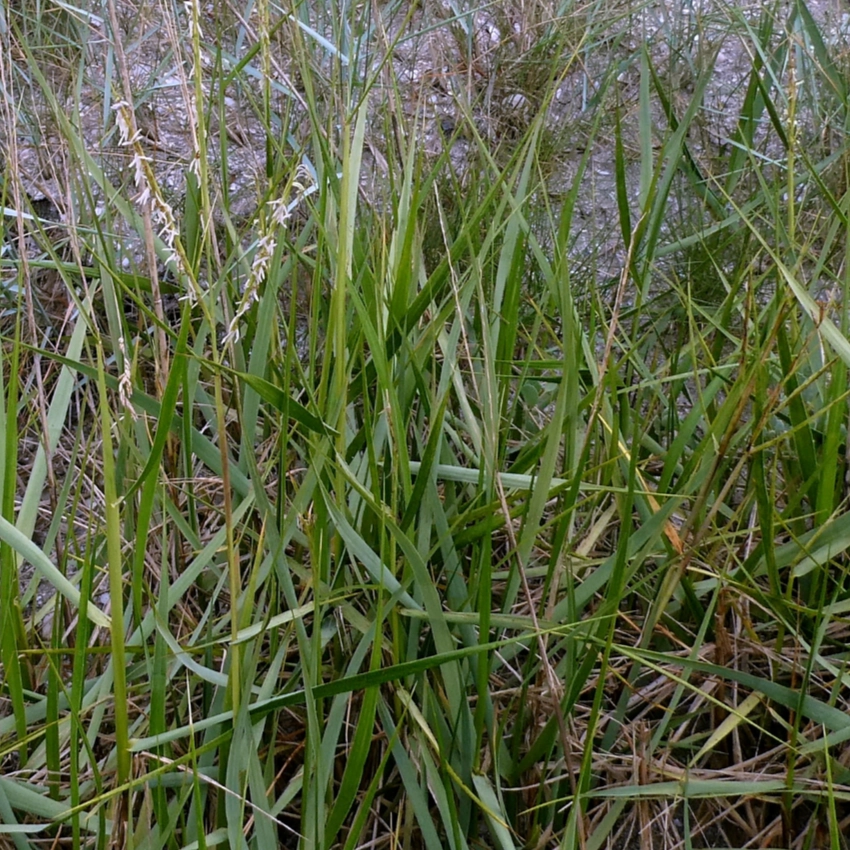
Sporobolus anglicus (previously Spartina anglica)
A perennial grass that is salt tolerant and can smother salt marches and mud flats, as has happened in the estuary behind Tralee Bay in Benderloch. It displaces native saltmarsh plants, meaning that overwintering geese and waterbirds are unable to use the land for foraging.

American Mink (Mustela vison)
Mink have been spreading through the west of Scotland since the 1950’s due to escapes and releases from fur farms. Although small they are proficient hunters and their ability to swim means even bird colonies on offshore islands are at risk. They attack birds and their eggs, small mammals including water voles, plus crustaceans and amphibians.


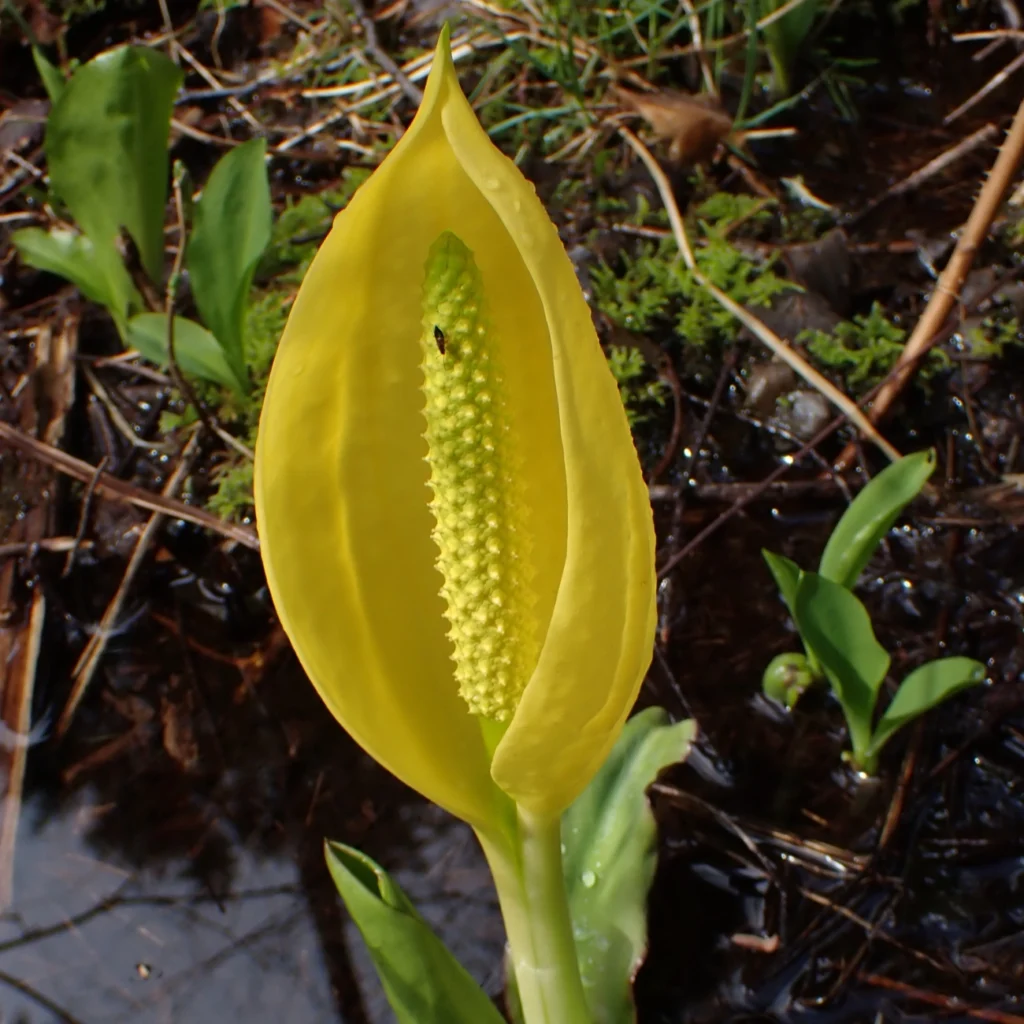
American skunk cabbage (Lysichiton americanus)
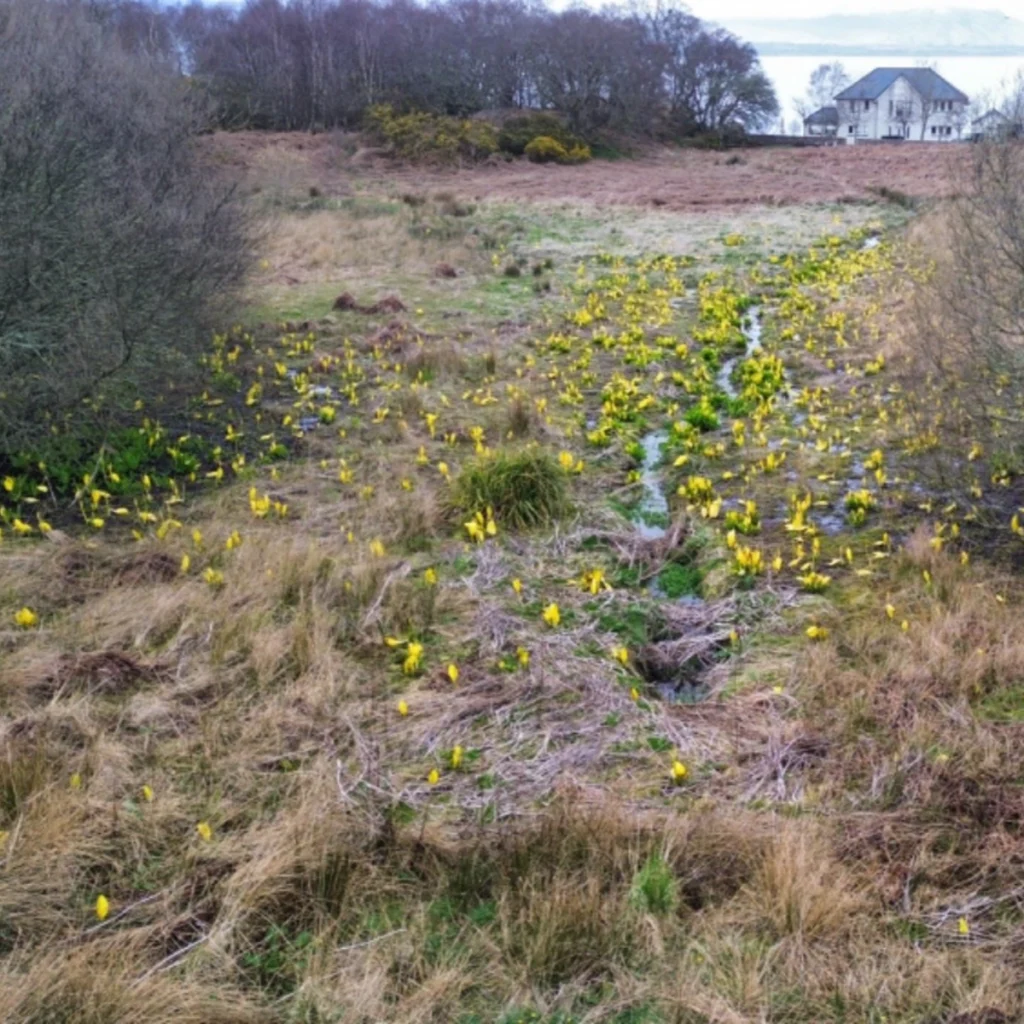
A distinctive plant that has escaped from gardens (often down watercourses) and has established in wet woodlands, boggy areas and along ditches and waterways. It out-competes native plants and once established can spread rapidly, as has happened at Ganavan, as shown below.

New Zealand flatworm (Arthurdendyus triangulatus)
A distinctive worm that is flattened, and u[ to 15cm long. They tend to be dark on top and a pale cream colour underneath, and can sometimes be found curled up. They have been spread by plants and topsoil being moved from garden to garden, often in plants bought from nurseries. They feed on our native earthworms, who are crucial for soil health.


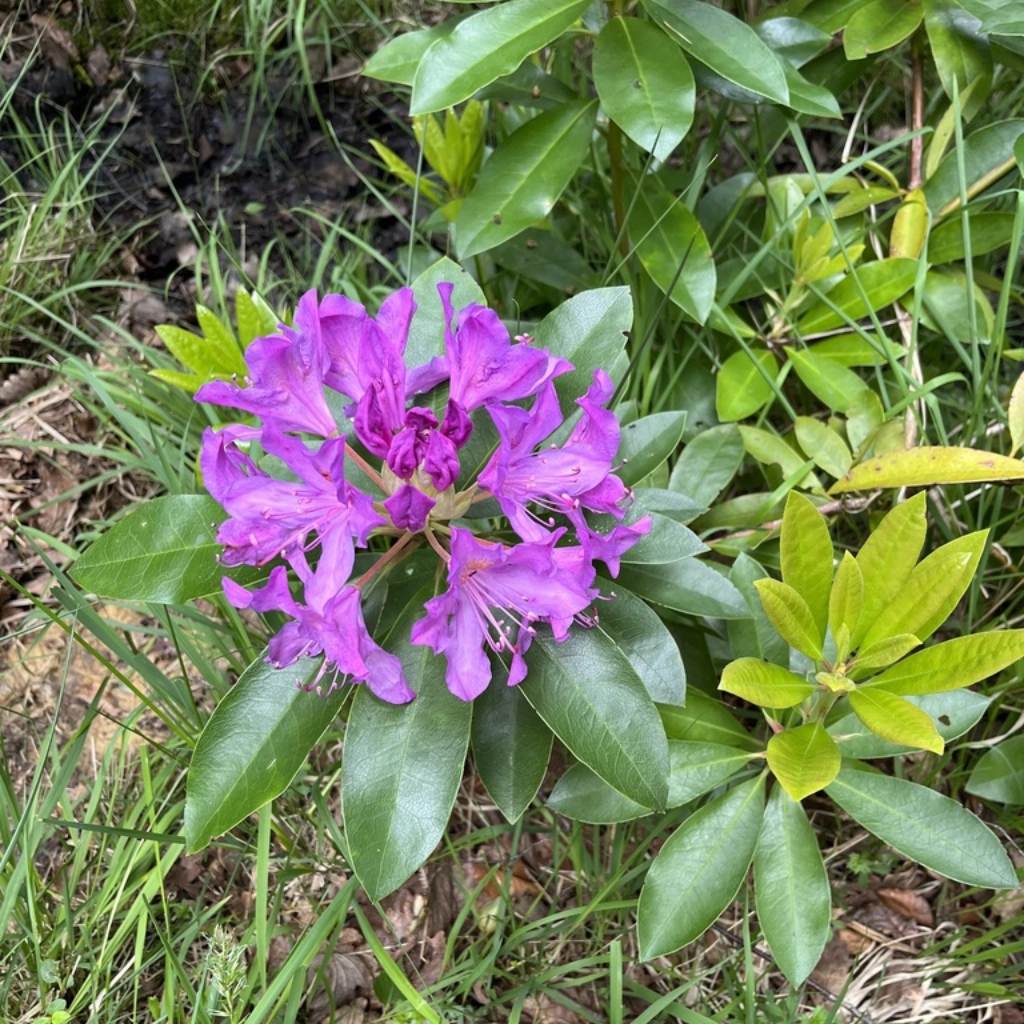
Rhododendron (Rhododendron ponticum)
Ponticum aggressively colonises native woodlands and eliminates the ground flora, bryophytes and lichens on the trunks of trees, as well as all the associated invertebrates and other animals. It completely destroys the complex ecosystems that exist in our woodlands. The woods themselves will disappear eventually as Rhododendron prevents tree regeneration. Ponticum is particularly virulent in the west of Scotland where it finds ideal conditions in the wet climate and acid soils. This doesn’t include the many other rhododendron species that people locally grow in their gardens.


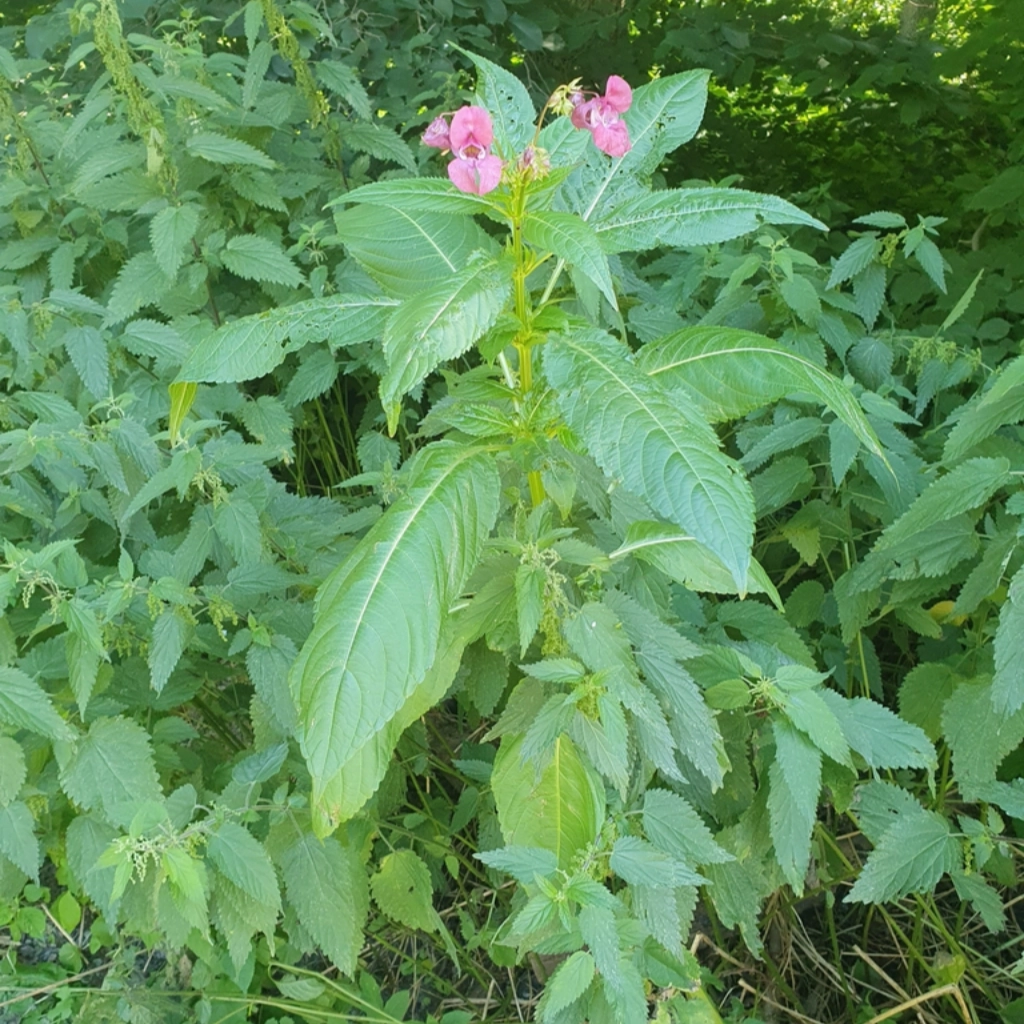
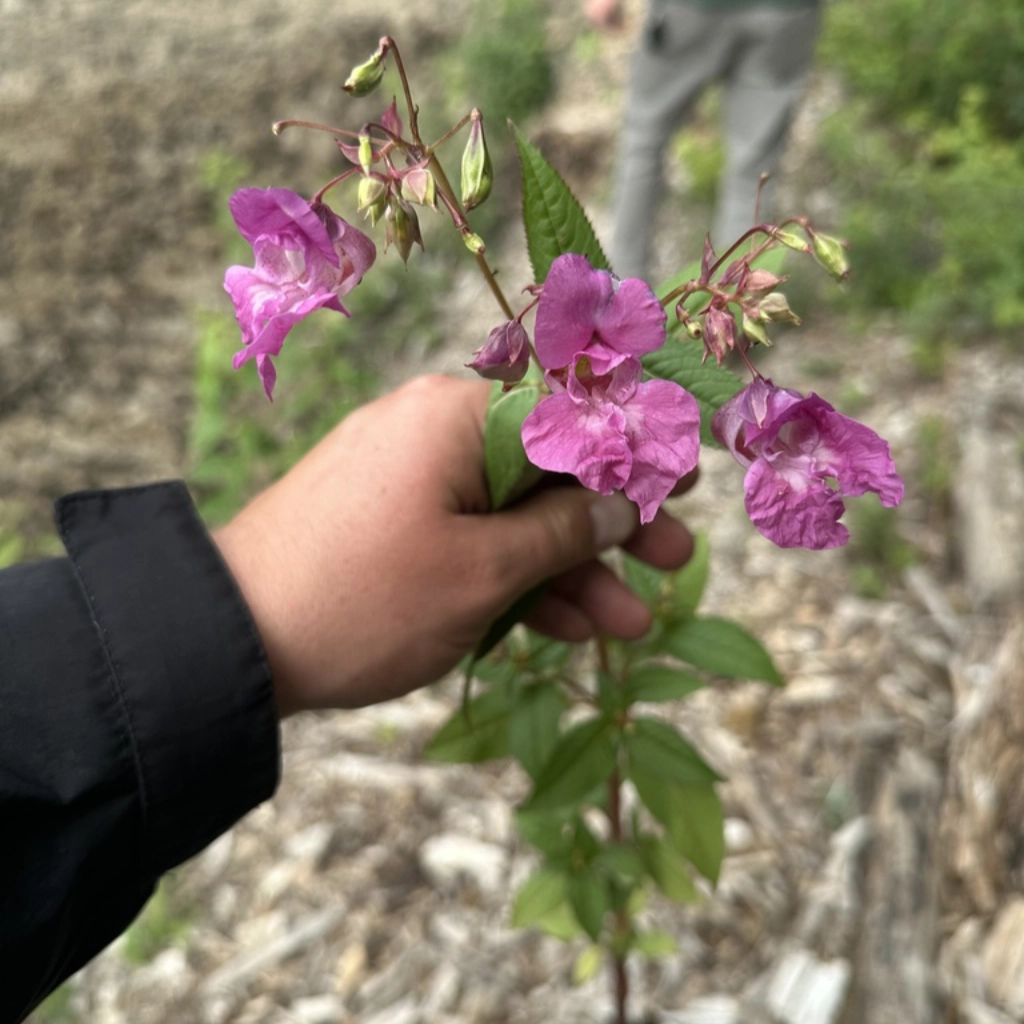
Himalayan balsam (Impatiens glandulifera)
an attractive plant with hollow stems that chokes large areas of land preventing anything else from growing. It is an annual plant which is easily pulled up but spreads prolifically from seed, which can be projected up to 4 metres from the plant by the explosive seed capsule. It colonises river banks, damp meadows and woodland and can be eliminated in a few years if all the plants are pulled up or cut before they set seed.

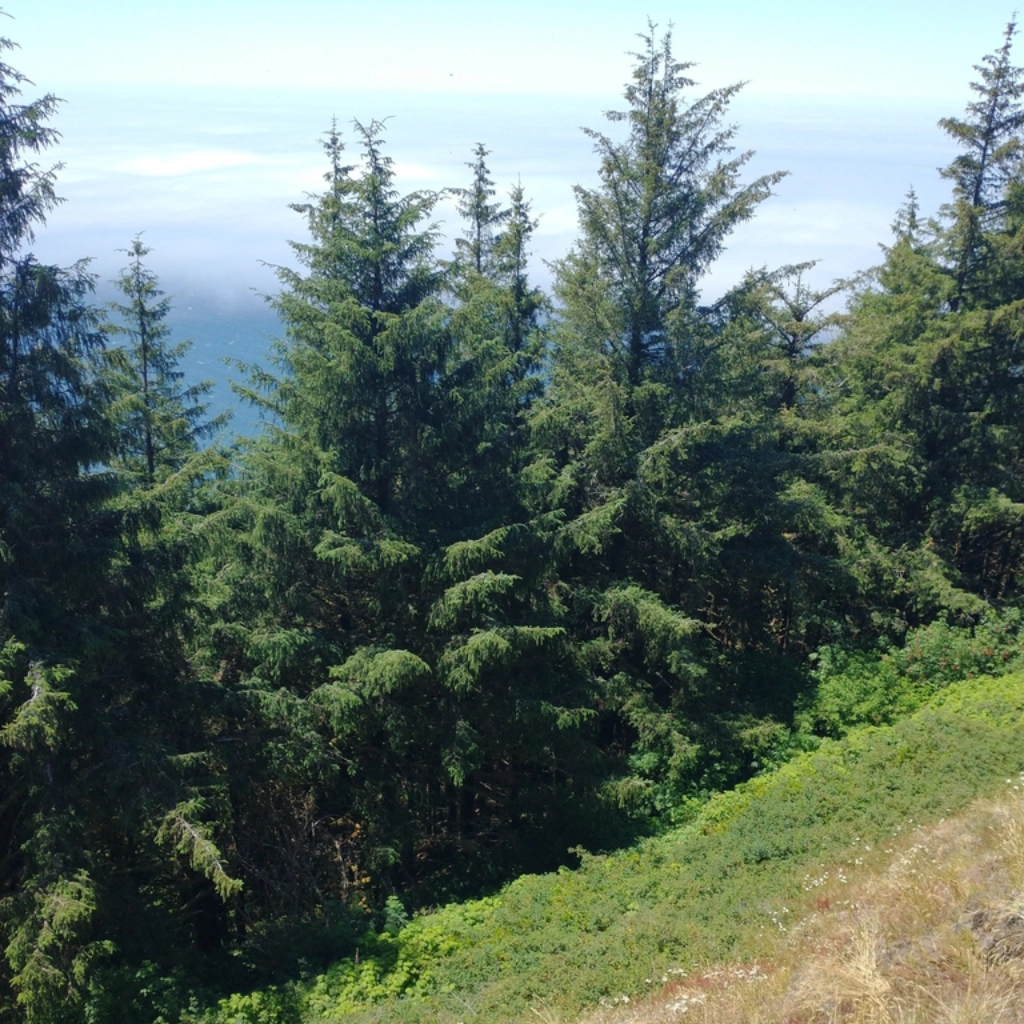
Sitka spruce (Picea sitchensis)
Although grown in huge numbers on the west coast in plantations, Sitka can be a problem in the wrong place. Due to its rapid self-seeding into sensitive habitats like peat bogs and native woodlands it can push out native species and devalue habitats.


Sika Deer (Cervus nippon)
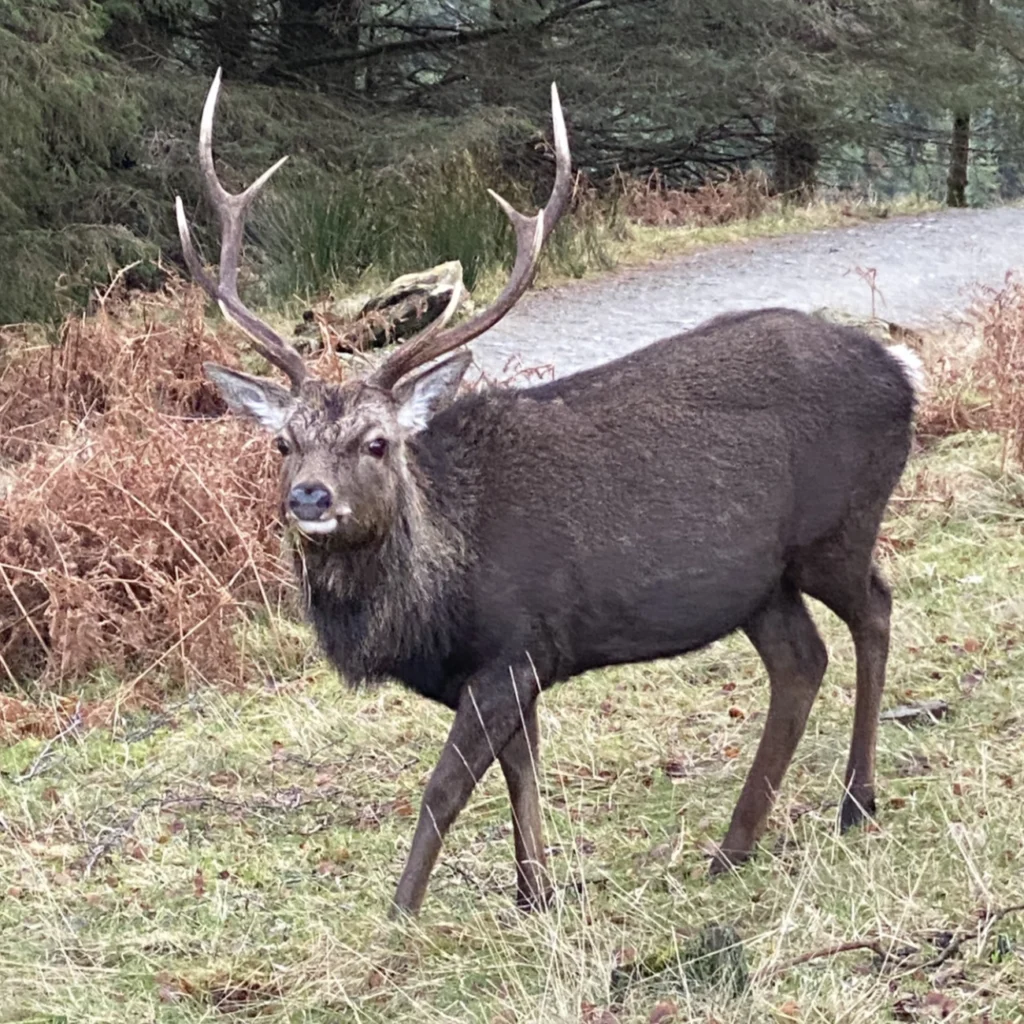
These small, dark deer have spread rapidly in Scotland since being introduced here from Japan in the 19th century. They can hybridise with red deer and as they are more wary and favour dense woodland are harder to cull. They are highly adaptable and are often able to outcompete native species.


New Zealand Pygmyweed (Crassula helmsii)
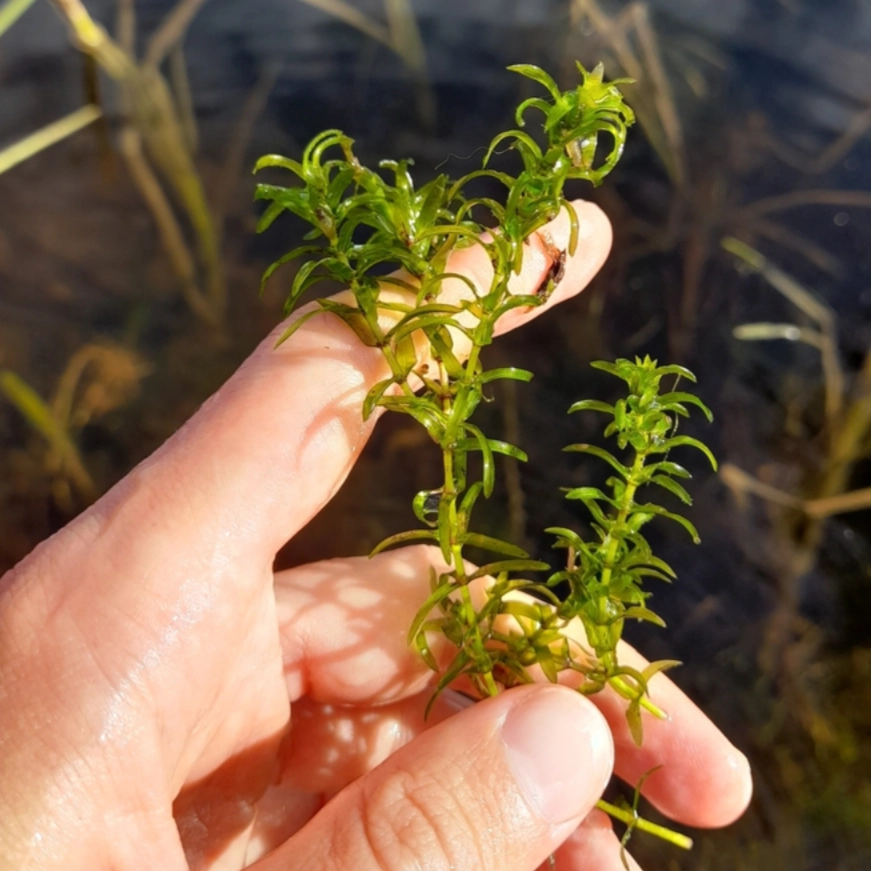
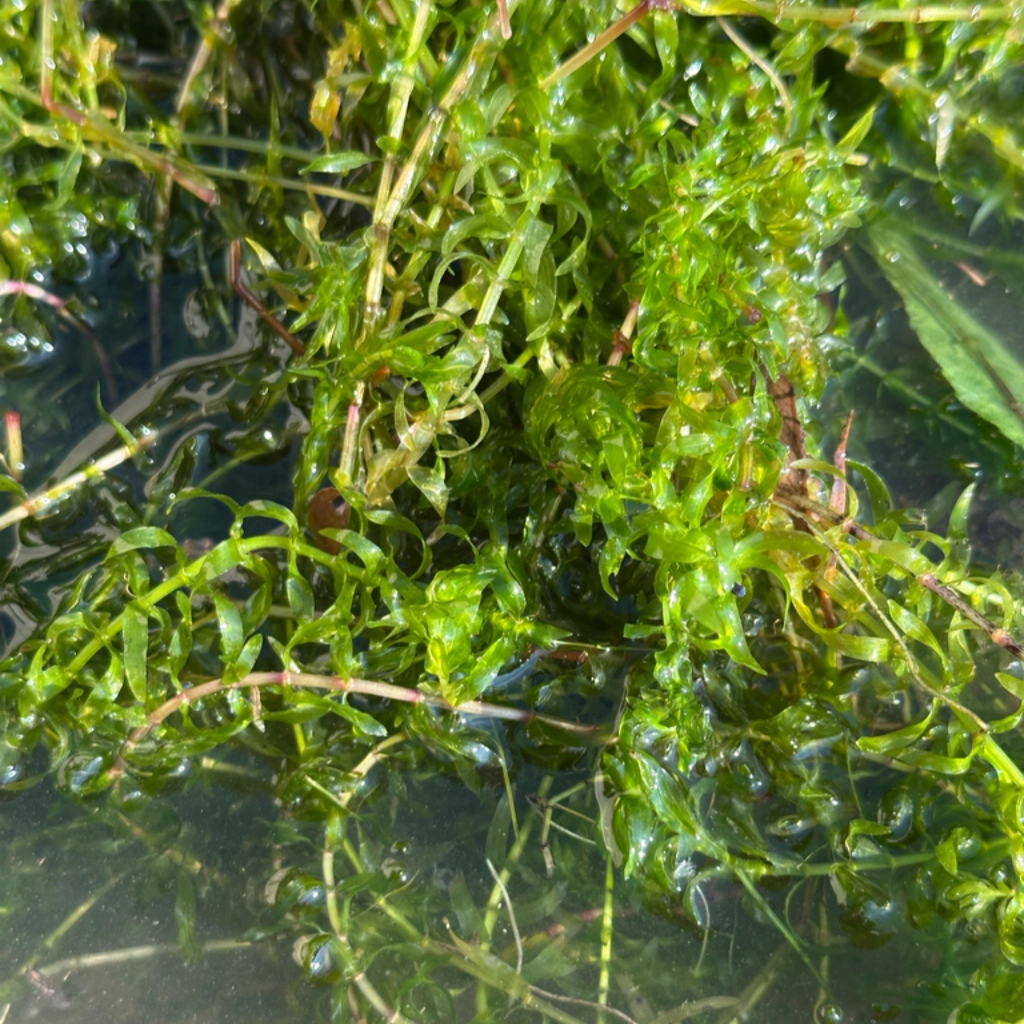
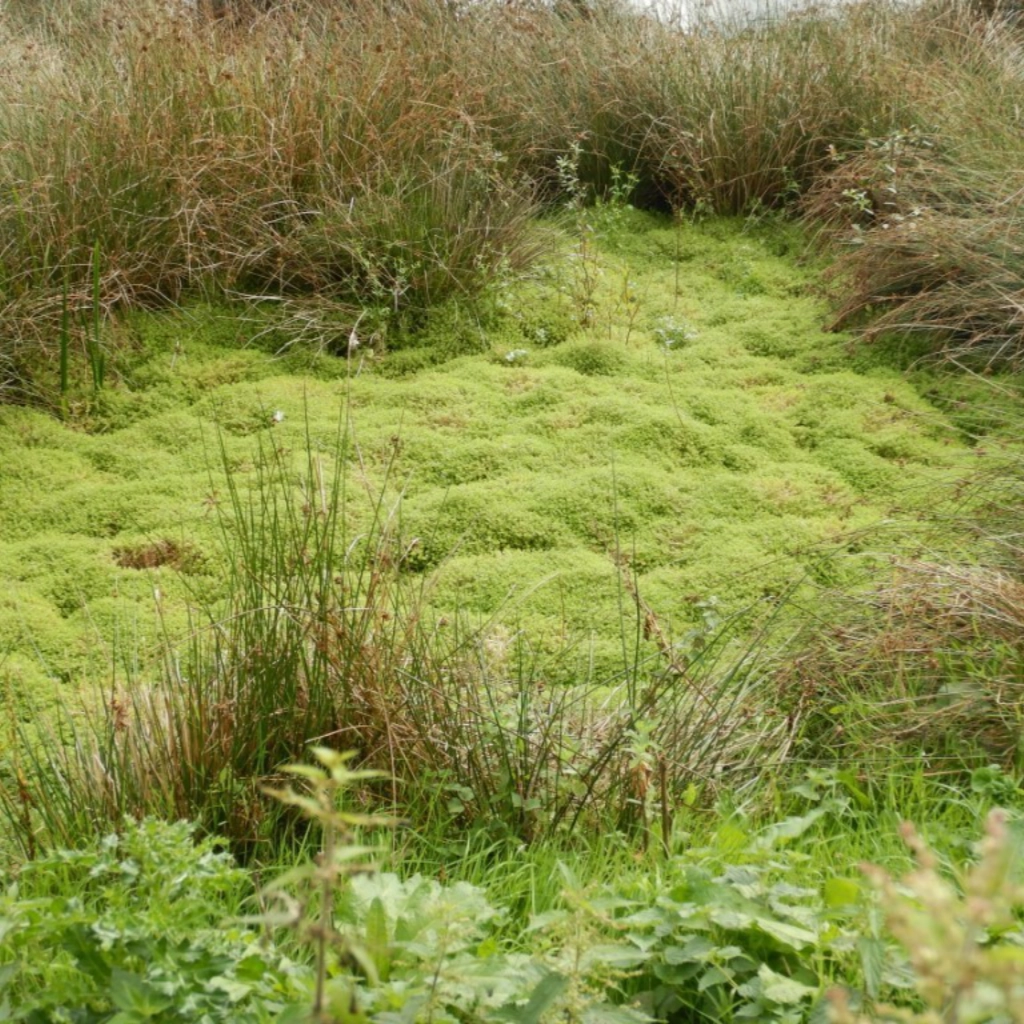
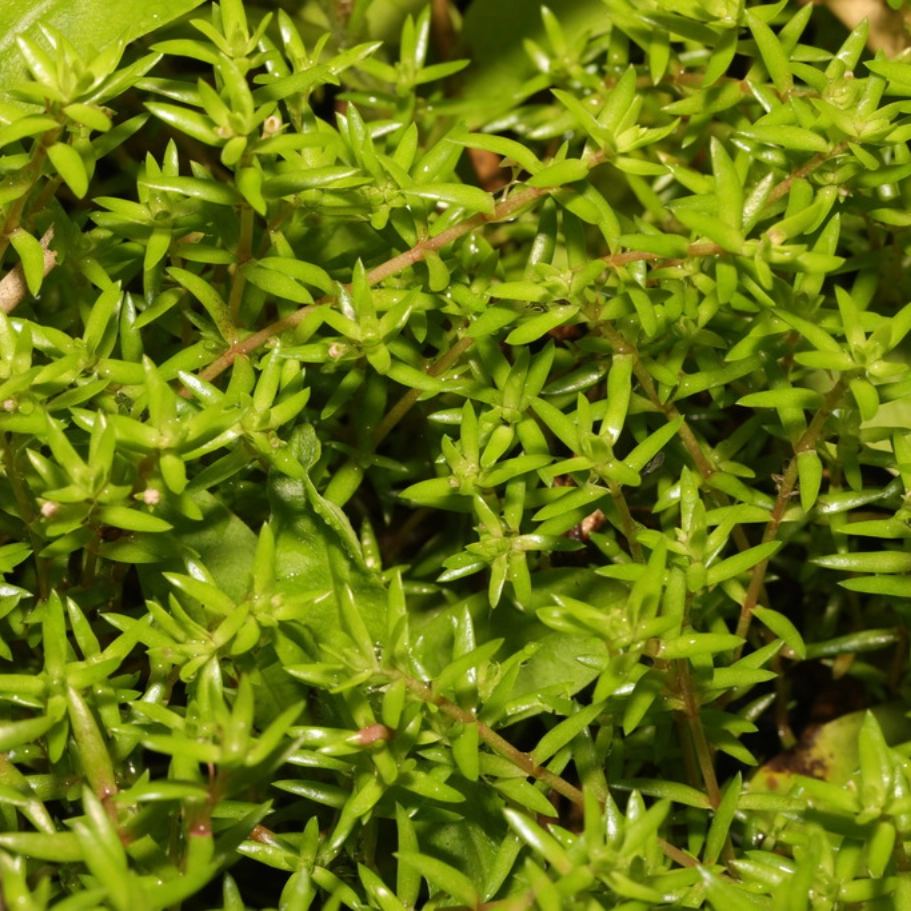
An aquatic plant capable of growing on damp ground, plus above and below the water. Once in an area it can spread very easily, and creates dense mats that smother and choke native species.

Canadian waterweed (Elodea canadensis)
A submerged water plant that has long been sold for garden ponds, but once out in the wild can form dense mats that smother waterways and prevent native species from thriving.